What are the advantages of using aluminum profiles in baseboards?
2026-01-26
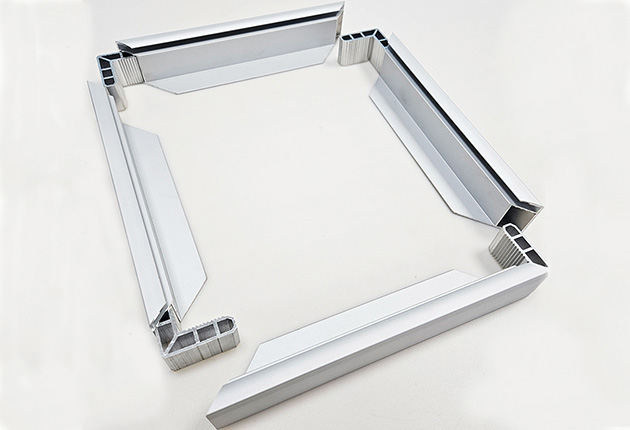
Aluminum profiles are widely used in baseboards. The main applications of aluminum baseboards include:
Wall protection: Preventing cleaning tools, furniture legs, and carts from colliding with or scratching the walls, protecting the corners.
Covering gaps: Covering expansion joints and installation gaps between the floor or tiles and the wall, creating a more aesthetically pleasing transition.
Hiding cables: This is one of the most prominent functions of aluminum baseboards.
Moisture and water resistance: In damp areas such as kitchens, bathrooms, and laboratories, aluminum alloy baseboards offer stable performance and will not deform or rot due to moisture.
II. Core Advantages of Aluminum Profile Baseboards
High durability: High hardness, impact resistance, not easily deformed, cracked, or worn, resulting in a long service life.
Good stability: Unaffected by temperature and humidity, unlike wood, it does not expand and contract with temperature changes, and the joints are less likely to crack.
Fire and moisture resistance: The metal material is non-combustible and completely waterproof, suitable for places with fire and humidity requirements.
Environmentally friendly and easy to maintain: The material itself is non-toxic and harmless, with a smooth surface that does not accumulate dust, making cleaning very convenient (usually a damp cloth is sufficient).
Relatively easy installation: Typically uses snap-on or splicing installation methods, requiring a relatively flat wall surface, but offering high installation efficiency and easy replacement of damaged sections.
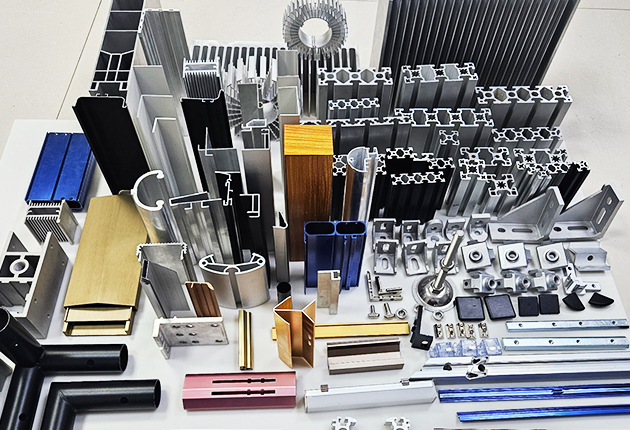
Through anodizing, powder coating, and lamination processes, aluminum profiles can be made into various colors and textures, such as black, silver, gold, white, and wood grain transfer, matching various floor and wall color schemes.
Aluminum profile baseboards are an excellent choice.