Why Are Aluminum Profiles the Ideal Choice for Drone Cooling Systems?
2026-03-23
Aluminum profiles are highly favored in counter-drone cooling systems, primarily due to the following factors:
Efficient Thermal Conductivity: Aluminum alloys possess a thermal conductivity coefficient significantly higher than that of stainless steel or plastics.
This allows them to rapidly dissipate localized hot spots across the entire surface, effectively controlling temperature rise within electronic components.
Lightweight and High-Strength: Counter-drone equipment often requires mounting on vehicles, aircraft, or manual transport. Aluminum alloys feature low density combined with high strength;
while reducing overall weight, they simultaneously meet the wind resistance and impact resistance requirements essential for outdoor equipment.
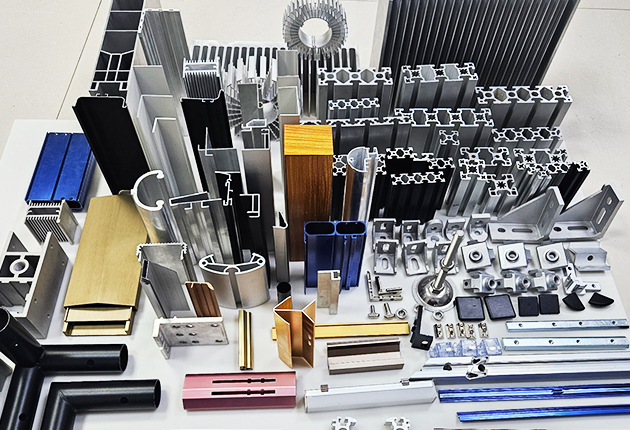
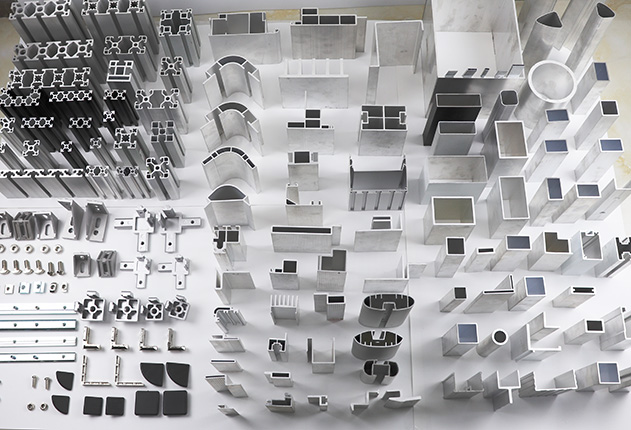
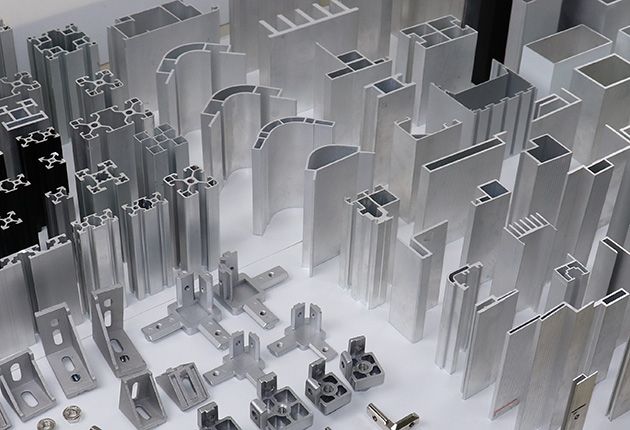
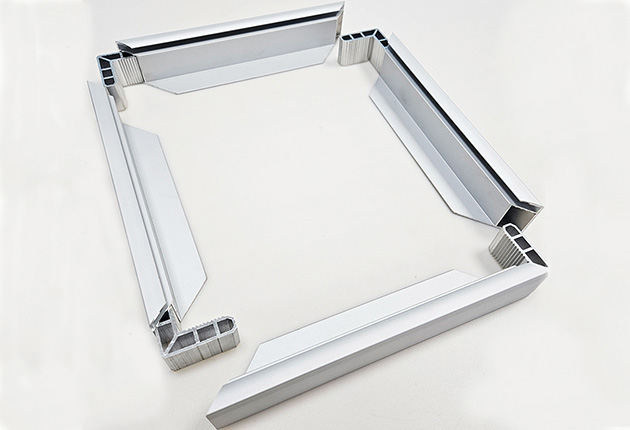
Flexible Design and Integration: The aluminum extrusion process enables the creation of complex cross-sectional shapes. This allows for the integration of cooling fins, mounting rails, PCB slots, and waterproofing structures into a single profile, thereby reducing the number of individual parts and simplifying assembly procedures.
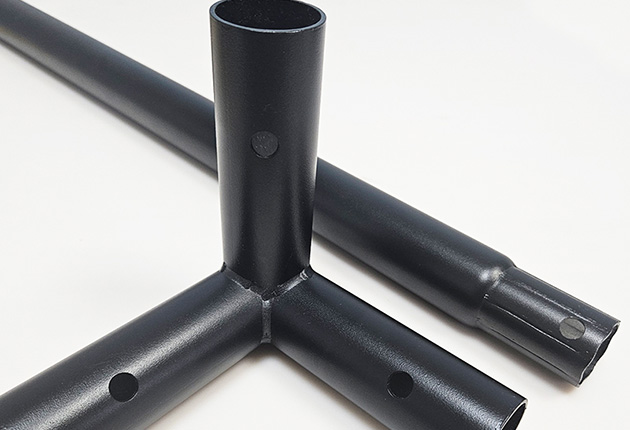
Superior Weather Resistance and Protection: Through surface treatments such as powder coating, aluminum profile enclosures can achieve an IP67 protection rating—or even higher.
They effectively withstand rain, salt spray, and UV radiation, operating reliably across a wide temperature range of -40°C to 120°C to ensure the equipment functions effectively in all weather conditions.
In counter-drone cooling systems, aluminum profiles play a pivotal, tripartite role encompassing structural support, thermal management, and environmental protection.
By seamlessly merging the traditional "enclosure" and "heat sink" into a single entity, they provide a lightweight and highly reliable engineering solution for high-power-density counter-drone electronic equipment.