Aluminum extrusion profiles offer exceptional strength while being very lightweight—approximately one-third the weight of steel. This combination makes them ideal for applications where weight reduction is crucial without compromising structural integrity.
2. Design Flexibility
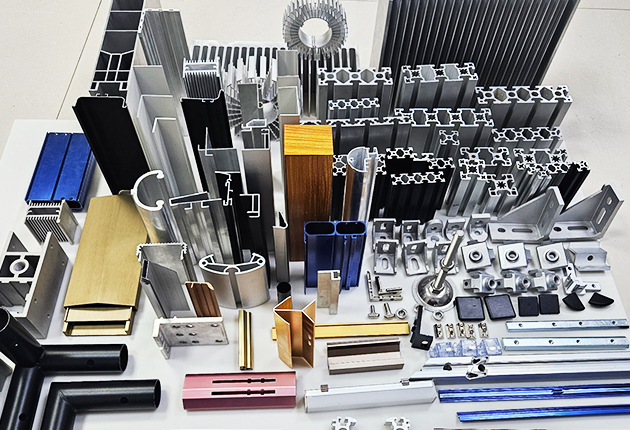
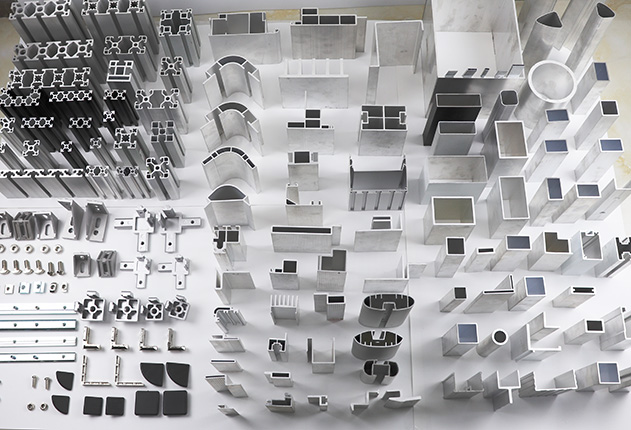
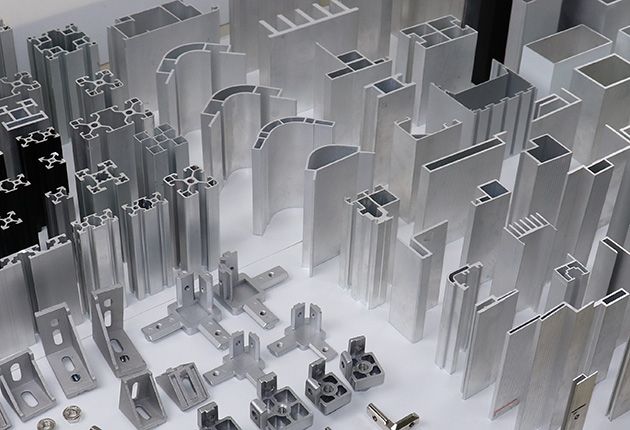
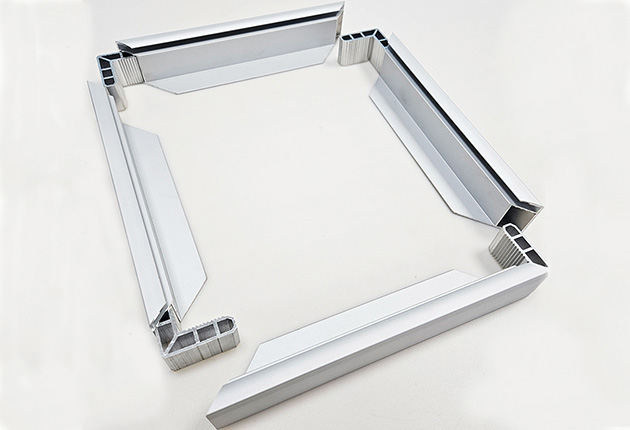
The extrusion process allows for virtually any cross-sectional shape, enabling designers to integrate multiple functions into a single profile. Channels, grooves, slots, and lips can all be integrated, reducing the need for additional components and assembly.
3. Corrosion Resistance
Aluminum naturally forms a protective oxide layer, providing excellent corrosion resistance. Anodizing or powder coating can further enhance its corrosion resistance, making extruded profiles suitable for both indoor and outdoor applications.
4. Thermal and Electrical Conductivity
Aluminum has excellent thermal and electrical conductivity, making extruded profiles ideal for heat sinks, electrical enclosures, and lighting systems.
5. Sustainability
Aluminum is 100% recyclable without loss of quality. The extrusion process itself is highly energy-efficient compared to other metal forming methods. Recycled aluminum requires only 5% of the energy needed to produce primary aluminum.