Core Requirements for Portable Table Tennis Tables:
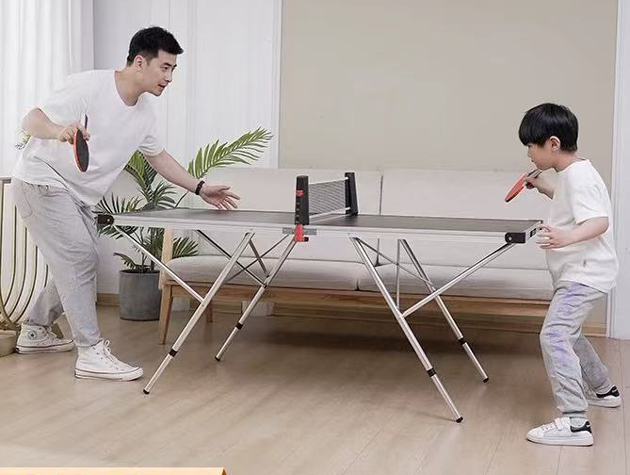
Easy to transport; suitable for children's daily recreational needs; customizable colors; aesthetically pleasing; and space-saving during storage.
Key Design Points for Portable Table Tennis Tables:
1. Dimensions: 160 cm x 80 cm; Adjustable Height: (50–70 cm)
2. Aluminum alloy frame: Easy to assemble, sturdy, and secure.
3. Foldable design: Convenient for storage.
Primary Applications of Aluminum Profiles in Portable Table Tennis Tables:
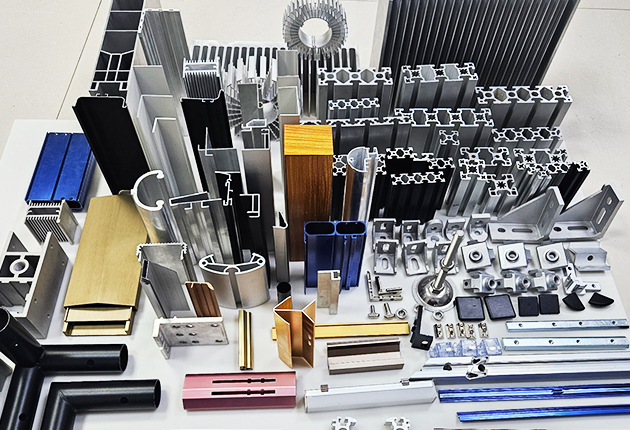
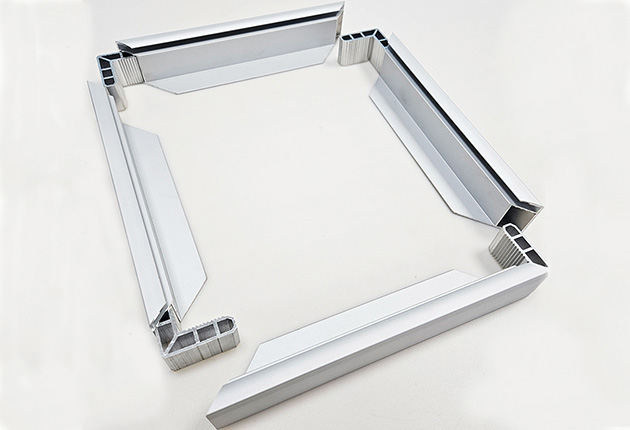
1. Frame Support Structure
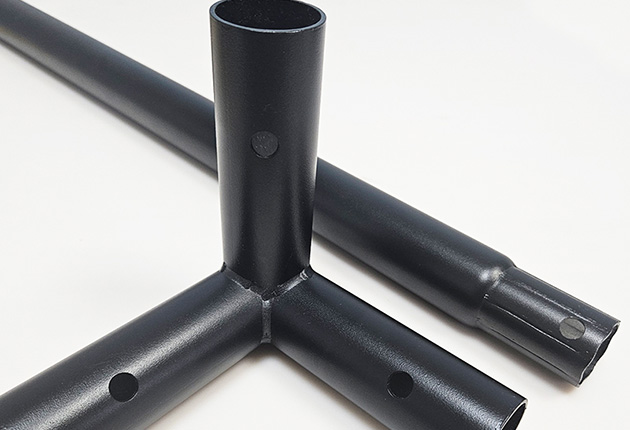
Purpose: Aluminum profiles are frequently used for the table legs, crossbeams, and overall support framework of portable table tennis tables.
2. Folding and Adjustment Mechanisms
Purpose: Since portable tables require folding for storage, aluminum profiles are utilized for connecting hinges, sliding rails, or support rods.
3. Tabletop Support and Stabilization
Purpose: Aluminum profiles serve to support the tabletop, ensuring it remains level and stable.
4. Accessory Mounting
Purpose: Components such as net posts, protective edging, and casters can be fabricated using aluminum profiles.
Advantages of Using Aluminum Profiles in Portable Table Tennis Tables:
Lightweight: Aluminum has a low density—approximately one-third the weight of steel—making the table easier to move and fold.
High Strength: Through anodizing or alloy strengthening, aluminum profiles can withstand the impact forces generated by players striking the ball.
Corrosion Resistance: Suitable for both indoor and outdoor use; resistant to rust, thereby extending the lifespan of the table.
Precision Machining: Aluminum profiles can be precisely cut or slotted using CNC technology, ensuring the folding mechanism operates with precision and smoothness.
Balanced Weight: The lightweight nature of aluminum profiles facilitates manual folding, reducing physical strain during handling.
Modular Design: Components can be easily disassembled and replaced, further enhancing the table's portability.
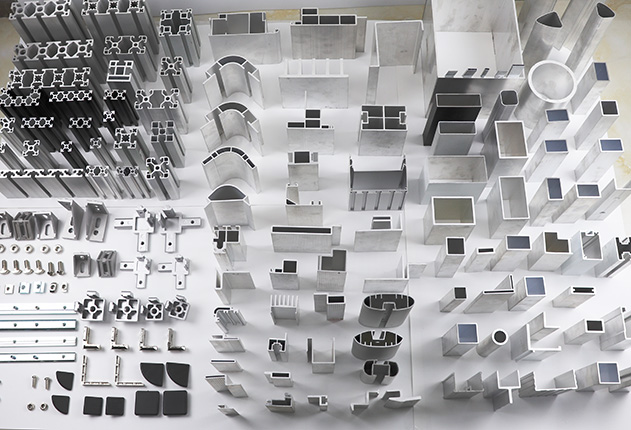
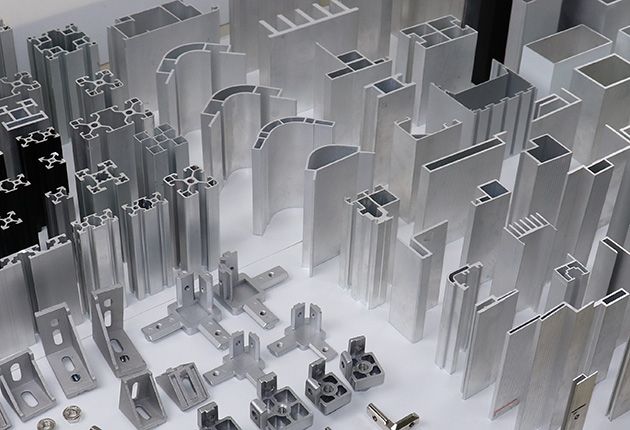
Flexural Strength: Specialized profiles (such as T-profiles, H-profiles, or square tubes) enhance the tabletop's load-bearing capacity, preventing wobbling during play.
Secure Connections: Aluminum profiles can be securely joined using bolts or snap-fit fasteners, ensuring high structural stability.
High Customizability: Various cross-sections and lengths can be adapted to accommodate different accessories and components.
Durability: Capable of withstanding repeated assembly, disassembly, or impact without easily deforming. Surface Treatment: Aluminum profiles can undergo various surface treatments—such as powder coating, anodizing, and brushing—to enhance their aesthetic appeal and texture, while also facilitating easy cleaning.
The primary reasons for utilizing aluminum profiles in portable table tennis tables are their combination of lightweight properties, high strength, excellent machinability, and corrosion resistance.This choice not only ensures the table remains stable and durable but also simplifies the processes of folding, transporting, and assembling, all while maintaining a focus on aesthetic design.