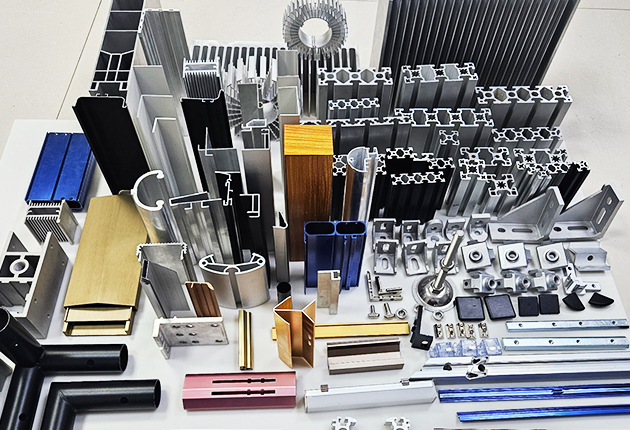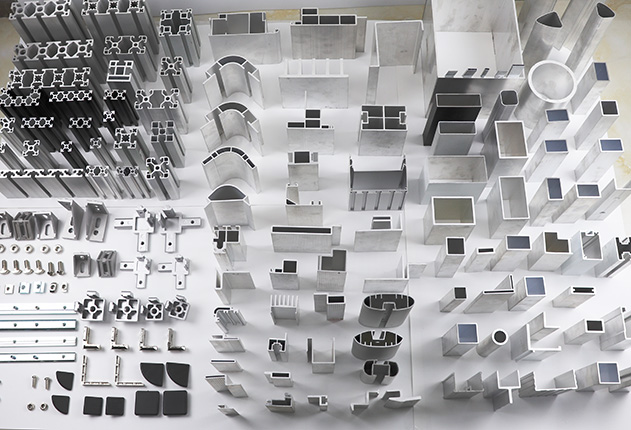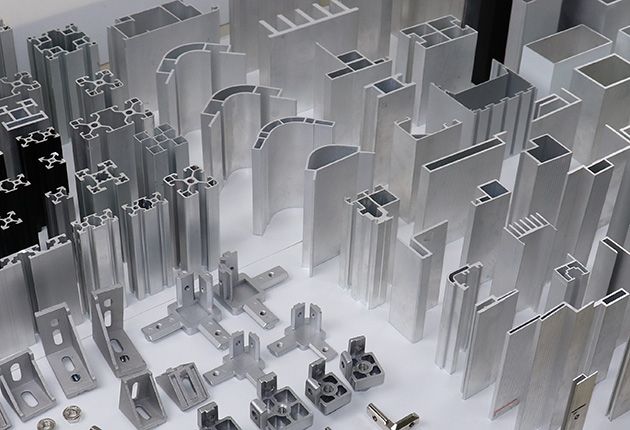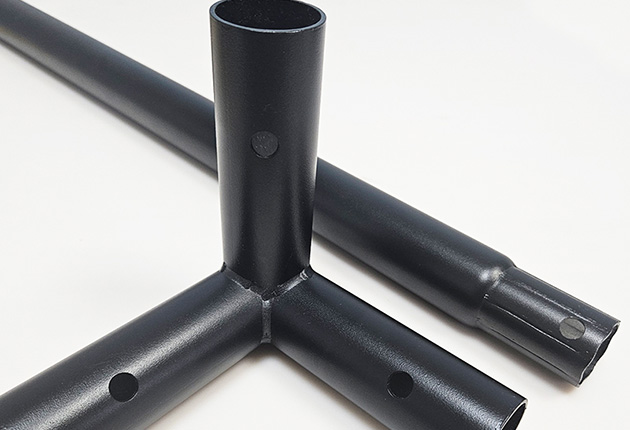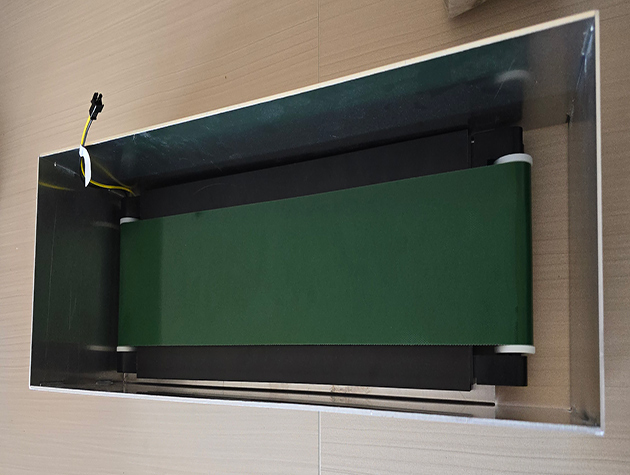
In the application of aluminum profiles in fish feed dispensers for pond aquaculture, aluminum profiles offer significant advantages compared to other materials, perfectly meeting the stringent requirements of outdoor, humid, highly corrosive, heavy-load, and long-term operation in pond aquaculture.
Application Scenario: Automated edge feeding in aquaculture ponds
Suspension Track: Medium-sized, high-strength aluminum profiles are used as tracks, erected above the pond.
Mobile Track: Lightweight, rust-proof, high precision, and quick installation.
Fixed Support Columns: Strong weather resistance, maintenance-free, and visually lighter.
Feeder Main Frame: Flexible internal layout for easy heat dissipation and maintenance, with good vibration resistance.
What are the advantages of aluminum profiles in fish feed dispensers?
Corrosion Resistance: Surface-treated aluminum profiles can resist corrosion from high humidity, water vapor, and even fertilizer volatile gases at the pond side for a long time, far exceeding the lifespan of ordinary steel.
Benefits: The lightweight structure reduces the load on the track, corrosion resistance ensures long-term outdoor use, and standard profiles facilitate on-site installation and length adjustment.
Aluminum profiles in fish feed dispensers achieve a balance of "strength, corrosion resistance, lightweight, and easy processing," making them particularly suitable for products that require long-term stable operation, adaptation to humid environments, or modular design.
In large-scale, intelligent modern pond aquaculture, fish feed dispensers have evolved from simple tools into critical automated equipment. Aluminum profiles, with their perfect combination of structural performance, environmental resistance, functional expandability, and cost-effectiveness, have become the ideal structural material for building reliable, efficient, and intelligent feeding systems. They not only solve the durability challenges in the pond environment but also provide a solid foundation for the modular design, precise control, and future upgrades of the feeder, making them an important aid in achieving fisheries modernization and cost reduction and efficiency improvement.