The application of aluminum profiles in bicycle frames focuses primarily on lightweighting, structural strength, mass manufacturability, and cost control. They are particularly common in urban commuter bikes, folding bikes, and e-bikes.
I. The Core Role of Aluminum Extrusions in Bicycle Frames
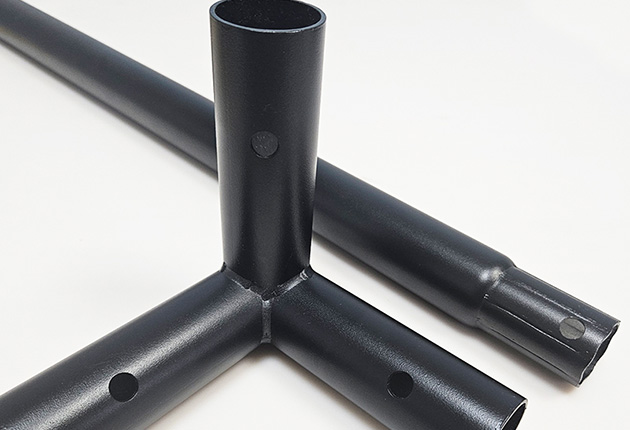
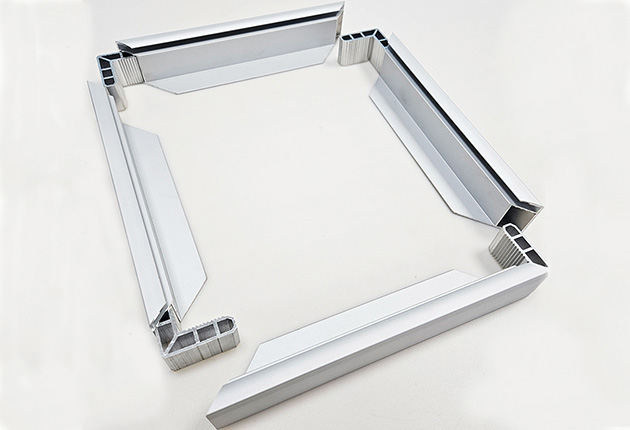
Aluminum extrusions are shaped into various cross-sections via the extrusion process and are used to manufacture:Main frame tubes (top tube/down tube)
Rear triangle structures
Connectors and reinforcing ribs
Battery compartment housings for e-bikes
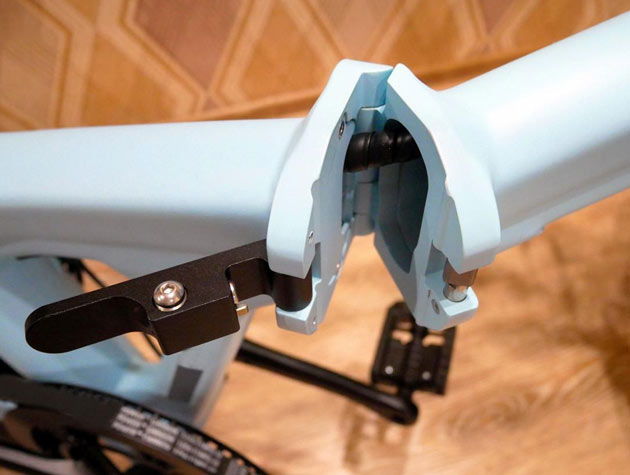
Hinge mechanisms for folding bikes
II. Typical Application Scenarios for Aluminum Extrusion Frames
1. Urban Commuter BikesLightweight and corrosion-resistant
Low maintenance costs
Suitable for long-term outdoor parking
2. Folding Bikes
Requires high-strength aluminum alloy hinge structures
Extrusions allow for the integrated formation of complex connection points
3. Electric Bicycles (E-bikes)
Battery packs integrated into the extrusion structure
Serves simultaneously as a load-bearing, protective, and heat-dissipating structure
4. Shared Bikes
High strength, mass production capability, and cost-efficiency
High resistance to vandalism/damage
III. Structural Design Features of Aluminum Extrusion Frames
1. Hollow Multi-Chamber Design
Increases strength
Reduces weight
Allows for internal cable routing
2. Rib Structure Design
Enhances torsional rigidity
Withstands impact loads
3. Integrated Molding
Reduces weld points
Improves structural consistency
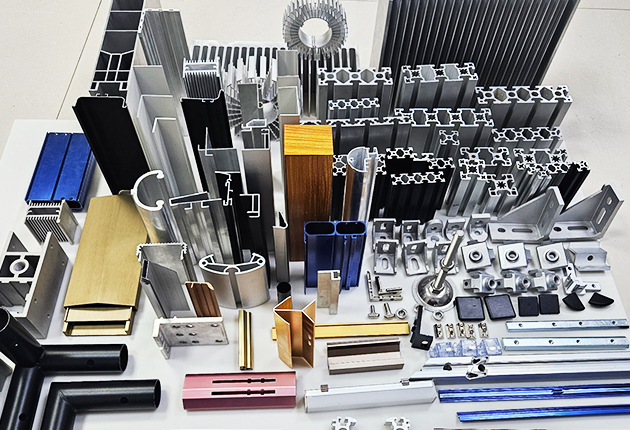
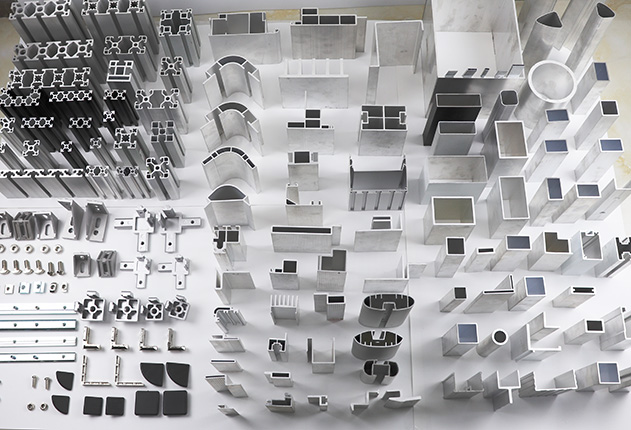
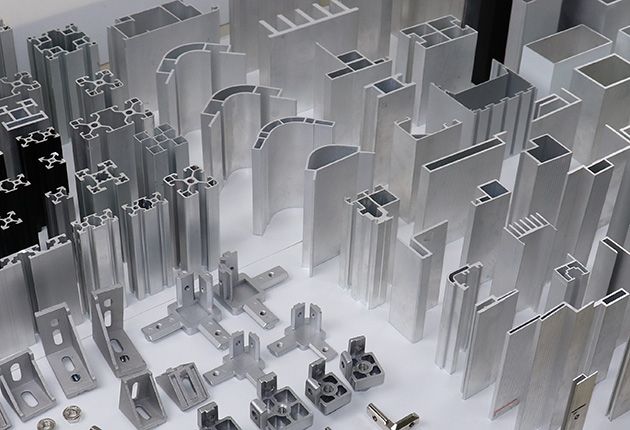
IV.Within the aluminum extrusion supply chain, manufacturers like Huayang Aluminum typically provide:
Customized structural aluminum profiles for bicycles
High-strength 6061/6082 alloy profiles
Extruded structural components for e-bikes
CNC-machined semi-finished frame components
Utilizing industrial extrusion structures to achieve lightweight design, high strength, and A scalable frame manufacturing solution, particularly well-suited for city bikes and e-bikes.