Aluminum Extrusions Profiles: Manufacturing and Characteristics
2026-06-29
Aluminum extrusions are among the most widely used materials in modern engineering and construction. Thanks to their lightweight structure, high strength-to-weight ratio, and excellent corrosion resistance, they have become indispensable components across various industries, ranging from construction to industrial automation.
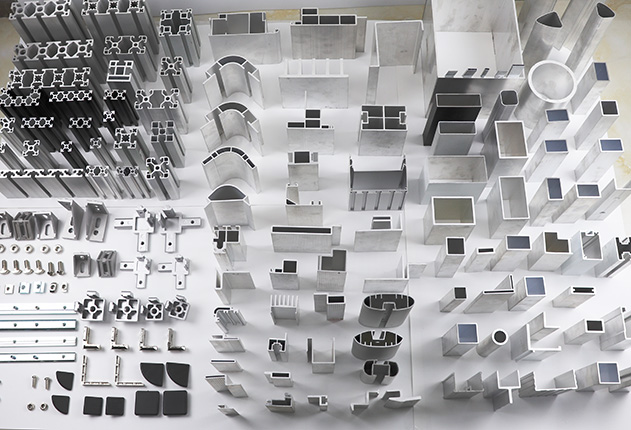
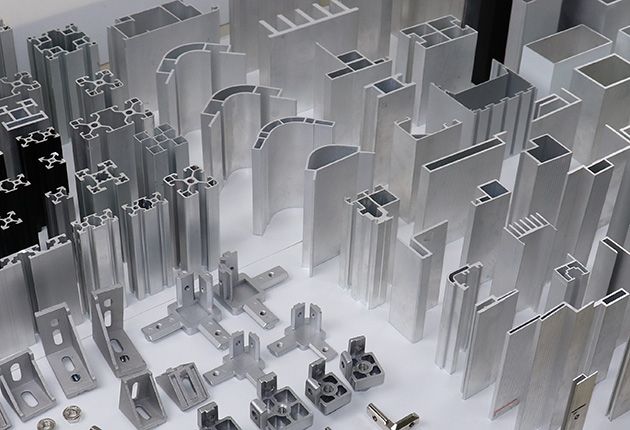
Aluminum extrusions are shaped products created by forcing heated aluminum alloy through a specialized die under high pressure. The resulting product is a continuous length of aluminum with a uniform cross-sectional shape.
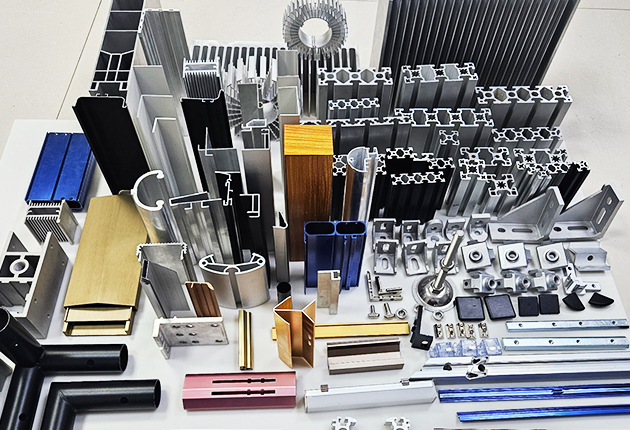
These shapes can range from simple (such as rods and tubes) to highly complex, including:
The flexibility of the extrusion process makes aluminum one of the most versatile engineering materials available.
2. Common Aluminum Alloys for Extrusions
Most aluminum extrusions are manufactured using specific alloys to meet performance and durability requirements:
6063 Aluminum Alloy: Widely used in architectural and decorative applications due to its superior surface finish.
6061 Aluminum Alloy: Known for high strength; commonly used for structural components and mechanical parts.
6082 Aluminum Alloy: Popular in Europe; frequently used for heavy-duty structural applications.
Each alloy offers a different balance of properties regarding strength, corrosion resistance, and machinability.
3. Surface Treatment Options for Aluminum Extrusions
To enhance durability and aesthetics, aluminum extrusions can undergo various surface treatments:
1. Anodizing: Creates a protective oxide layer, improving corrosion resistance. Powder Coating: Adds color and enhances weather resistance.
2. Brushing: Creates a modern metallic texture.
3. Sandblasting: Produces a uniform, matte surface texture.
These surface treatment processes make the aluminum suitable for both industrial and decorative applications. 4. Advantages of Aluminum Extrusions
Aluminum extrusions offer several significant advantages:
1. Lightweight yet high-strength
2. Excellent corrosion resistance
3. High design flexibility
4. Ease of machining and assembly
5. Recyclable and eco-friendly
6. Suitable for mass production and cost-effective
These advantages make aluminum a preferred material in sustainable engineering.
5. Custom Aluminum Extrusions
Modern manufacturers also offer custom extrusion services, allowing customers to design unique profiles based on engineering drawings.
Custom extrusions enable:
1. Complex cross-sectional designs
2. Integration of multiple functions into a single profile
3. Reduced assembly costs
4. Improved structural efficiency
With their versatility, strength, and efficiency, aluminum extrusions play a vital role in modern industry.