Using aluminum profiles in sailboat masts offers high cost-effectiveness:
Compared to composite materials such as carbon fiber, aluminum alloy is the only cost-effective alternative to carbon fiber, achieving similar performance requirements at a lower cost.
Using Aluminum profiles in sailboat masts offers design flexibility:
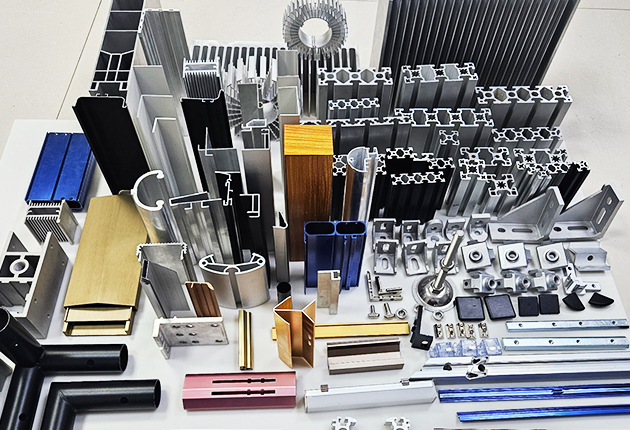
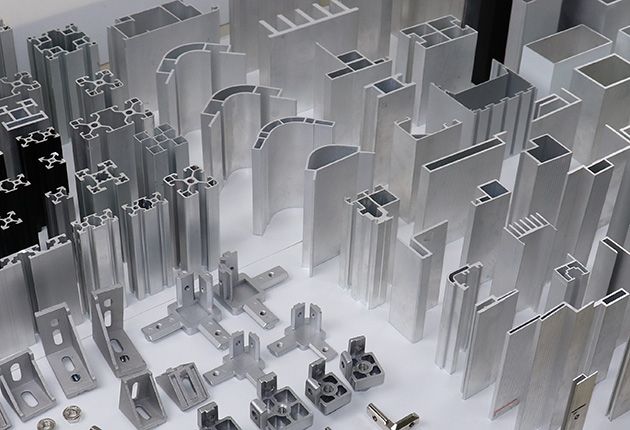
Aluminum profiles can be manufactured with complex cross-sections through extrusion processes, directly integrating functions such as slide rails into the mast profile.
This design not only makes mainsail adjustments (such as using bolts, ropes, or sliders) easier but also improves structural rigidity and reduces weight.
Commonly Used Aluminum Alloys in Ship Masts:
In sailboat mast manufacturing, the most commonly used aluminum alloys are 6061 and 6063.
Advantages and Specific Descriptions Examples of Common Alloys
Mechanics and Structure: Lightweight, high strength, good rigidity, easy to process and weld (6061, 6063)
Environmental Adaptability: Resistant to seawater corrosion, stable performance, low maintenance costs (5052, 5083)
Cost and Design: High cost-effectiveness, can integrate complex structures, flexible design (6061, 6063)
| Advantages and Dimensions |
Specific Description |
Examples of Commonly Used Alloys |
| Mechanics and Structure |
Lightweight, high strength, good rigidity, easy to process and weld |
6061, 6063 |
| Cost and Design |
High cost-effectiveness, can be integrated into complex 6061, 6063structures, flexible design |
6061, 6063 |
Aluminum profiles, with their comprehensive advantages of being lightweight and high-strength, corrosion-resistant, easy to process, and cost-effective, have become the mainstream choice for modern sailboat masts.
Are you comparing masts made of different materials, or planning to customize a new mast? If you can tell me your intended use, Huayang Aluminum can provide you with more targeted material selection advice.