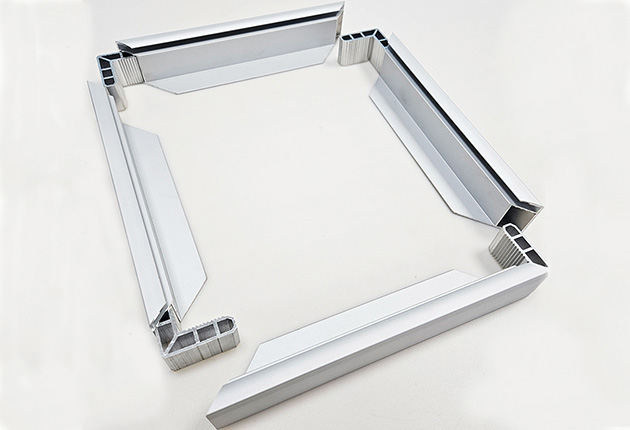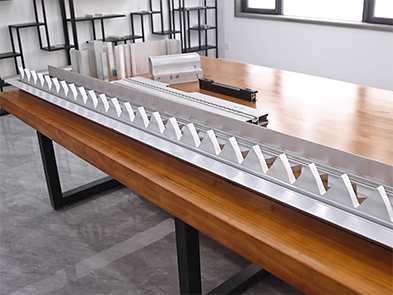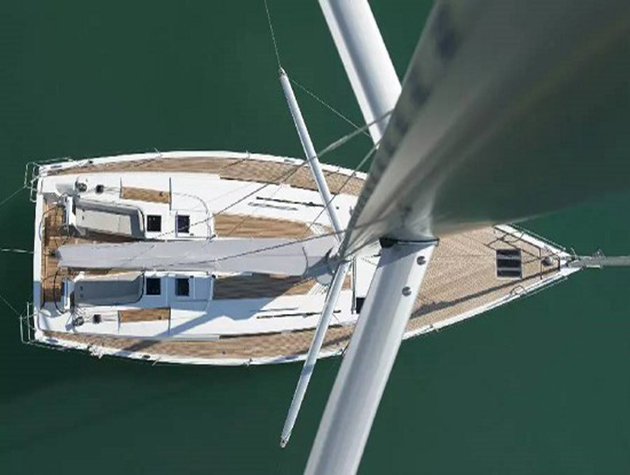
The application of aluminum profiles in sailboat masts reflects the pursuit of excellence in material properties, cross-sectional design, and structural mechanics.
I. Material Selection
Primarily using 6061 or 6082 aluminum alloys. Excellent mechanical strength is achieved through T6 heat treatment (a process involving solution heat treatment followed by artificial aging).
Simultaneously, the material itself possesses good corrosion resistance and can withstand marine environments.
II. Surface Treatment
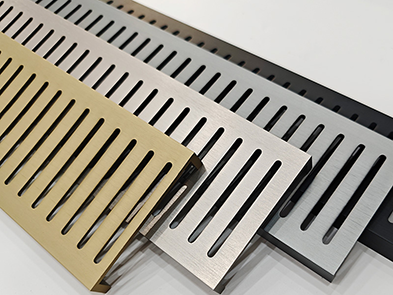
Anodizing Protection: A 20-micron or thicker anodizing treatment forms a hard oxide film on the aluminum surface, providing better surface protection against long-term seawater corrosion.
III. Structural Mechanics
Precise Control of Longitudinal Stiffness and Bending: Designers precisely control the longitudinal stiffness of the mast by selecting profiles with different cross-sections and wall thicknesses. This allows the mast to bend in the intended direction (e.g., in conjunction with the tension of the aft support cable), thereby optimizing the sail profile and improving sailing efficiency.
Aluminum profiles, with their comprehensive advantages of being lightweight and high-strength, corrosion-resistant, easy to process, and cost-effective, have become the mainstream choice for modern sailboat masts.