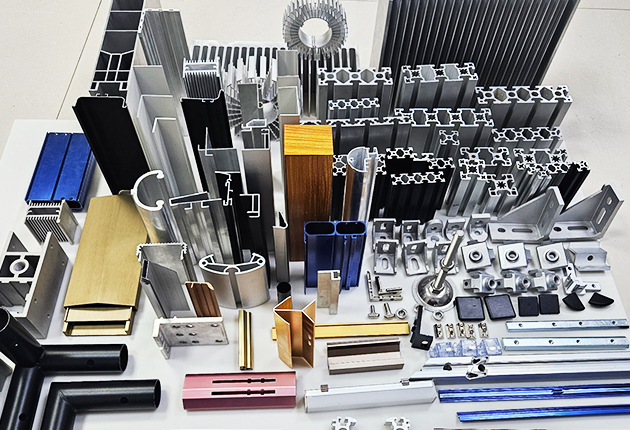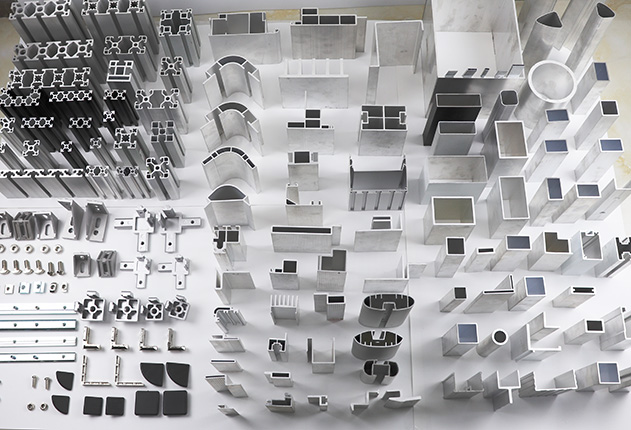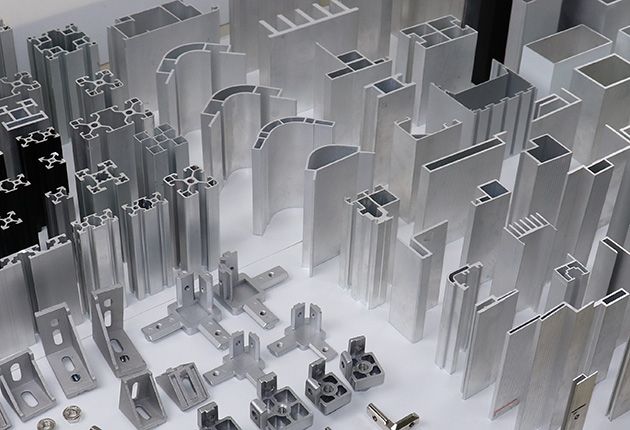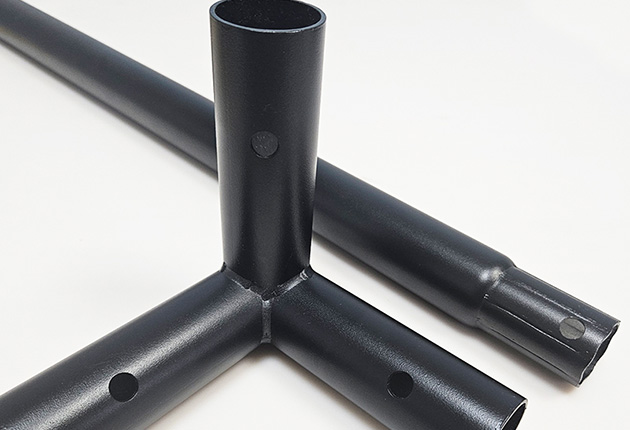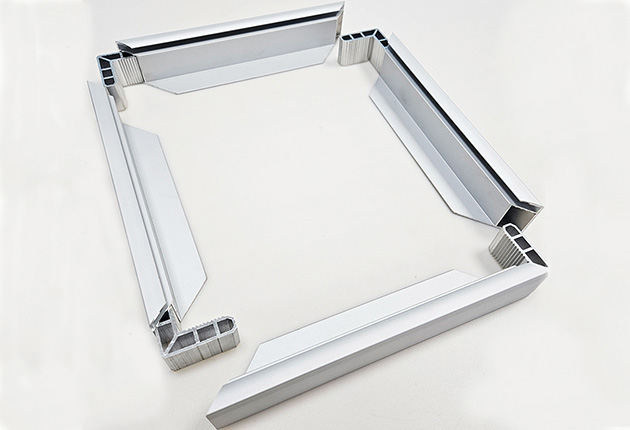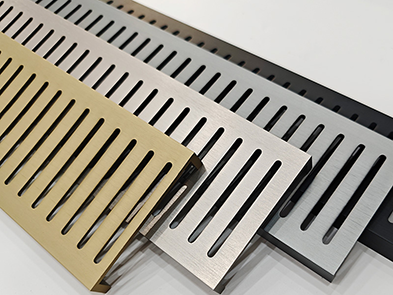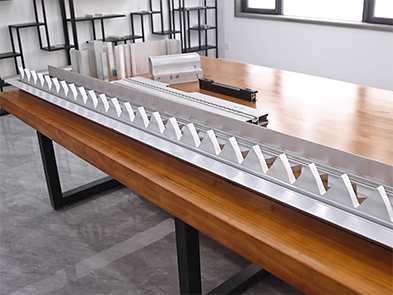
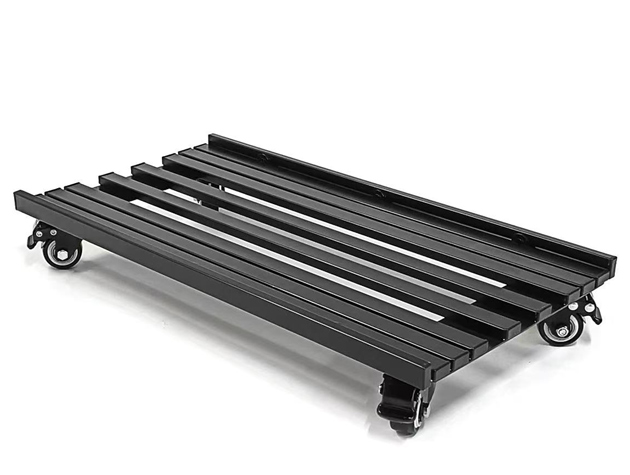
The application of aluminum profiles in heavy-duty chassis brackets is widespread and mature, mainly due to their high load-bearing capacity, excellent machinability, and flexible modular design.
Compared to traditional steel plate bending or welding structures, aluminum profile brackets have unique advantages in heavy equipment.
I. Selection and Design Considerations
1. Application of Aluminum Profile Channel Design in Heavy-Duty Chassis Brackets: T-slots are typically used to facilitate the installation of T-nuts and bolts, enabling rapid, weld-free assembly and subsequent equipment expansion.
2. Wall Thickness: For heavy-duty brackets, a wall thickness of 2.5mm is recommended. The above profiles ensure sufficient bending strength.
3. Aluminum Alloy Grade: Preferred choices are 6063-T5 (general purpose, good extrusion molding) or 6061-T6 (higher strength, suitable for extremely high loads).
II. Application Scenarios
Sliding Rail Brackets: Utilizing the precise straightness of aluminum profiles, linear guides or rollers are installed to achieve smooth sliding of heavy-duty modules (such as battery packs, server drawers).
Load-Bearing Beams and Columns: Inside the chassis, aluminum profiles serve as lateral supports, distributing the load on large transformers, capacitor arrays, or hard drive racks. Pressure.
Bottom Support Legs: Serving as the base of the chassis, these legs evenly distribute the weight of heavy equipment onto the ground, preventing deformation of the thin-plate chassis bottom.
Wall-Mounted Brackets: Utilizing aluminum profiles to create L-shaped or triangular brackets, these securely fix the chassis to the wall.
The application of aluminum profiles in heavy-duty chassis brackets is a typical example of modern industrial design's shift from "heavy welded structures" to "modular, lightweight, and precise" designs. With proper stress calculations and the selection of suitable connecting accessories, aluminum profiles are perfectly capable of supporting heavy equipment.