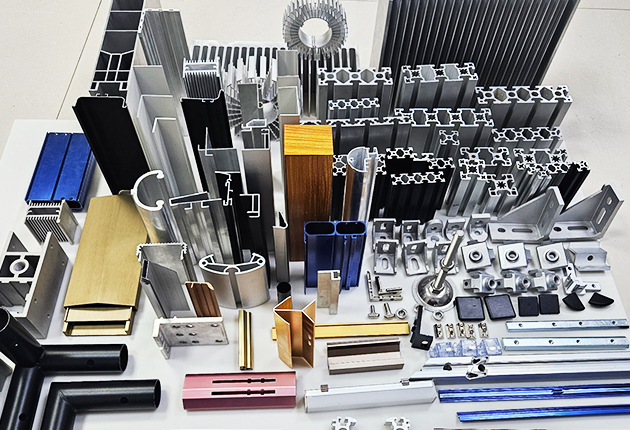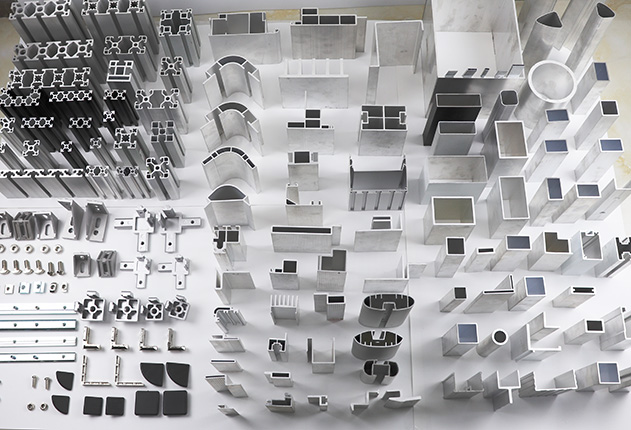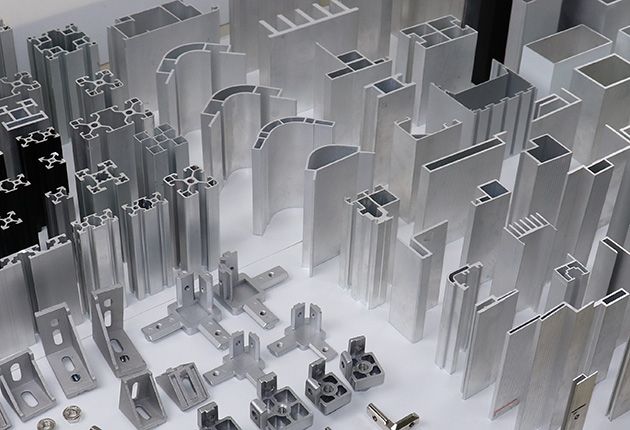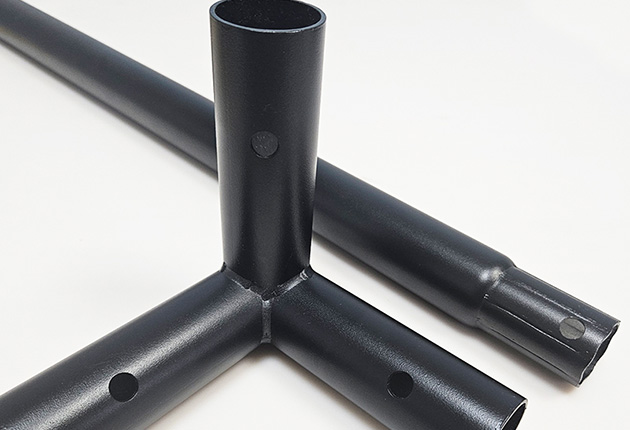
The application of aluminum profiles in drone cooling systems primarily focuses on providing integrated solutions that offer both structural support and efficient thermal management for high-power electronic equipment (such as signal jammers and radar systems).
I. Process Requirements
The core objective lies in leveraging the superior thermal conductivity of aluminum alloys—combined with the flexibility of the extrusion molding process—to ensure the stable operation of electronic equipment in harsh outdoor environments.
II. Functions and Features
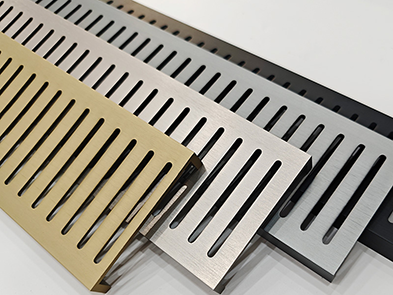
Acting simultaneously as the device's "body" and its "heat sink," the aluminum structure conducts internal heat outward to the surface of the casing. By utilizing the large surface area of the casing for natural convection, it effectively achieves passive cooling.
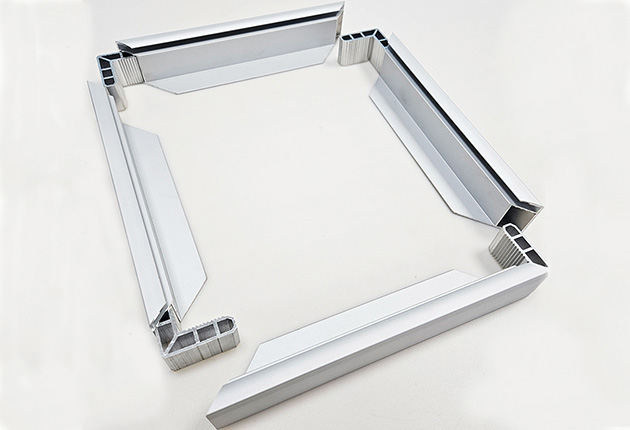
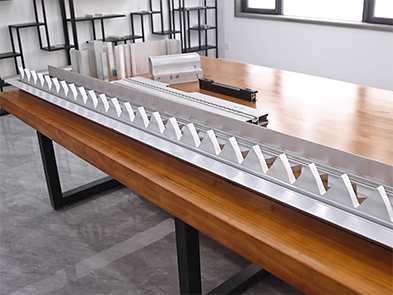
Structural components fabricated from aluminum profiles—such as support arms, baseplates, and internal component brackets—serve a dual purpose: they not only bear structural loads but also function as thermal pathways. These components channel heat generated by heat-intensive parts (such as motors, controllers, and batteries) away toward the main airframe or dedicated heat sinks, thereby embodying the design philosophy of "structure as heat sink."
III. Customized Heat Sinks
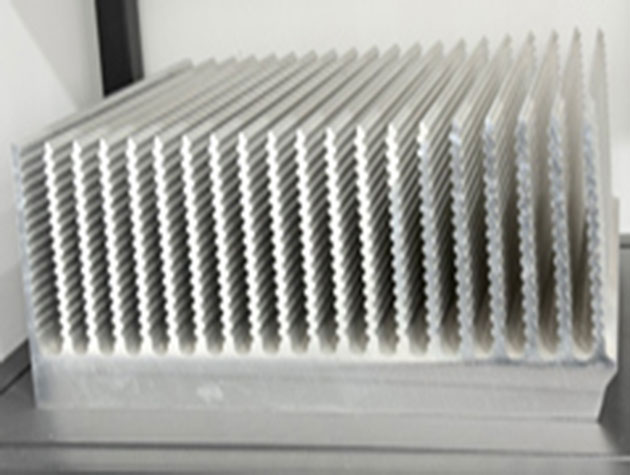
For components with high power density, aluminum profile heat sinks can be designed with specific cross-sectional geometries—such as configurations featuring dense fins—to maximize the heat dissipation surface area. When paired with active air cooling, this design facilitates the rapid removal of heat.
In drone cooling systems, aluminum profiles effectively merge the traditional "casing" and "heat sink" into a single integrated unit, thereby providing a lightweight and highly reliable engineering solution for high-power-density drone electronics.