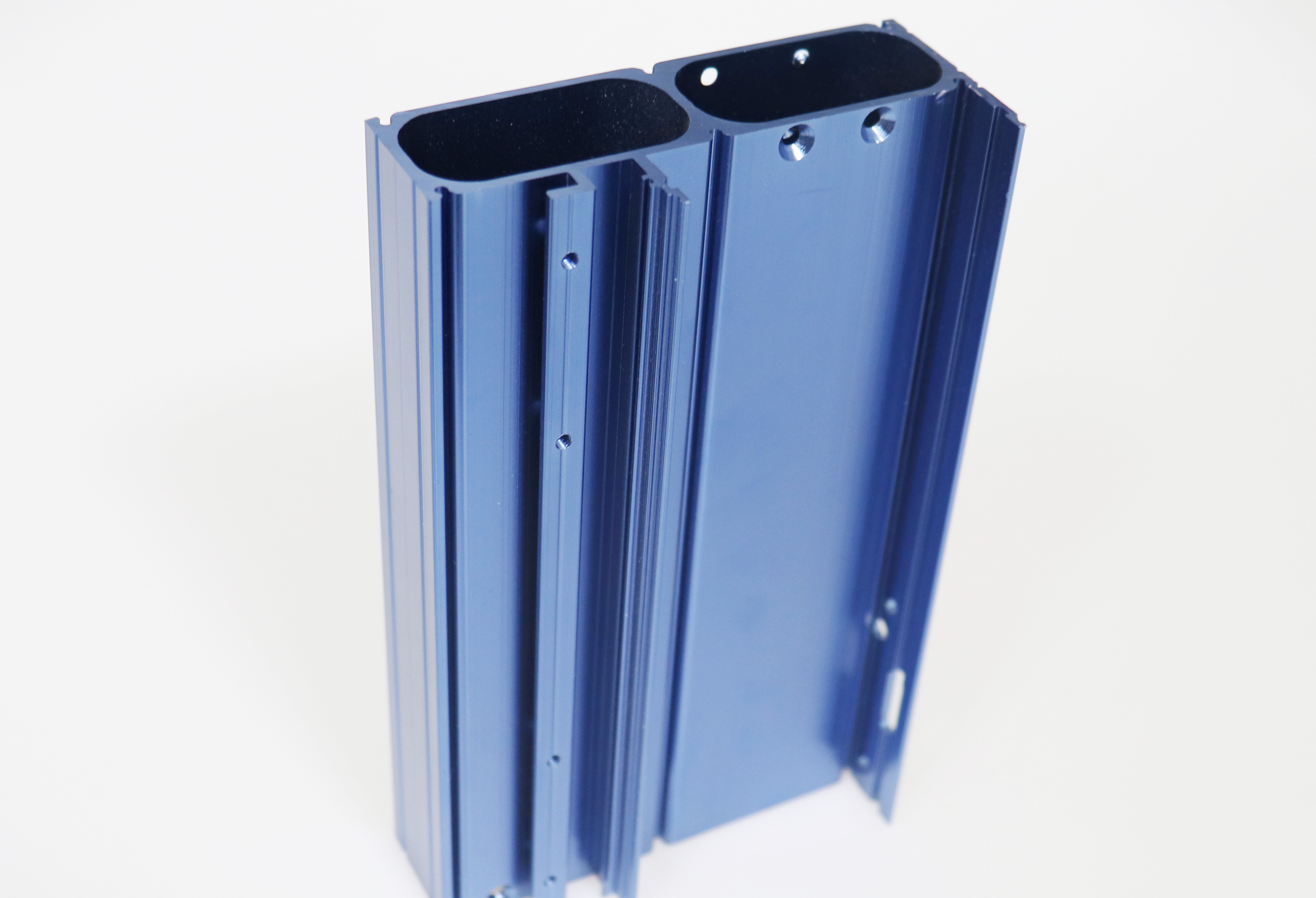
Aluminum Profile Section Analysis and Applications
2026-05-19
Due to their characteristics—including lightweight nature, corrosion resistance, high strength, and excellent machinability—aluminum profiles are widely utilized across various fields, such as architecture, transportation, industrial equipment, and electronic products. Crucially, the performance of an aluminum profile depends largely on the design of its Section. This article provides a systematic analysis of aluminum profile Sections to assist enterprises and designers in making informed decisions during the selection and design phases. I. What is an Aluminum Profile Section? An aluminum profile Section refers to the shape or contour revealed when the profile is cut transversely along its length. The Sectional shape directly determines the profile's mechanical properties, rigidity, weight, and processing requirements. A well-conceived Sectional design can achieve both weight reduction and cost optimization while simultaneously ensuring structural integrity. II. What Are the Common Types of Aluminum Profile Sections? 1. I-Beam Section Features: Characterized by a central vertical rib structure; offers high load-bearing capacity and excellent bending resistance. Applications: Industrial frameworks, mechanical supports, conveyor systems. 2. T-Beam Section Features: The top flange allows for connections with other profiles, offering flexible assembly options. Applications: Automation equipment, workbench supports, assembly line frameworks. 3. Square and Rectangular Tube Sections Features: Simple, clean aesthetics; easy to weld and process; offers uniform structural strength. Applications: Doors and windows, curtain wall frameworks, structural supports. 3. Channel (T-Slot/V-Slot) Section Features: The integrated slot allows for screw fastening and modular connections, facilitating easy assembly. Applications: Industrial automation frameworks, exhibition displays, supports for 3D printers and robotic arms. 4. Round Tube and Irregular Sections Features: Round tubes distribute pressure evenly, while irregular Sections can be tailored to meet specific design requirements. Applications: Furniture, sports equipment, vehicle components. III. What Are the Key Parameters Influencing Sectional Design? 1. Wall Thickness: Directly impacts the profile's strength, weight, and cost. 2. Aspect Ratio: Influences the profile's resistance to bending and torsion. 3. Cavity Design: Appropriately designed internal cavities can reduce weight while simultaneously maintaining structural strength. 4. Connection Slots and Interlocking Structures: Enhancing assembly flexibility and stability. IV. What Are the Options for Aluminum Profile Sections? 1. Lightweighting Requirements: Hollow square tubes or T-slot profiles can be selected to balance both strength and weight. 2. High Load-Bearing Requirements: I-beam profiles or ribbed rectangular tube profiles should be prioritized. 3. Modularity and Ease of Assembly: T-slot profiles or V-slot profiles are better suited for industrial automation frameworks. 4. Specific Aesthetic Requirements: Custom-shaped Sections can fulfill unique aesthetic and functional needs.
The design of an aluminum profile's Section not only influences a product's mechanical properties but also determines its processing, assembly, and cost factors. Selecting the appropriate Section type and parameters allows for the simultaneous achievement of lightweighting, efficient production, and cost optimization, all while meeting functional requirements. With the advancement of industrial automation and green building practices, innovative Sectional designs for aluminum profiles will become a crucial factor in enhancing product competitiveness.






.png)